
TM™ vs ® Explained: What Every Business Owner Must Know
INTRODUCTION
Many businesses use ™ and ® symbols on their products, websites, packaging, and social media pages without actually understanding what these symbols mean. However, using the wrong trademark symbol can create confusion and even legal problems. If you own a startup, online store, small business, or growing brand, understanding the difference between TM™ and ® is extremely important for protecting your business identity and building customer trust. This article explains the meaning of TM and ® symbols, their legal importance, major differences, common mistakes businesses make, landmark trademark cases, and why trademark protection is important for modern businesses.
WHAT DOES TM (™) MEAN?
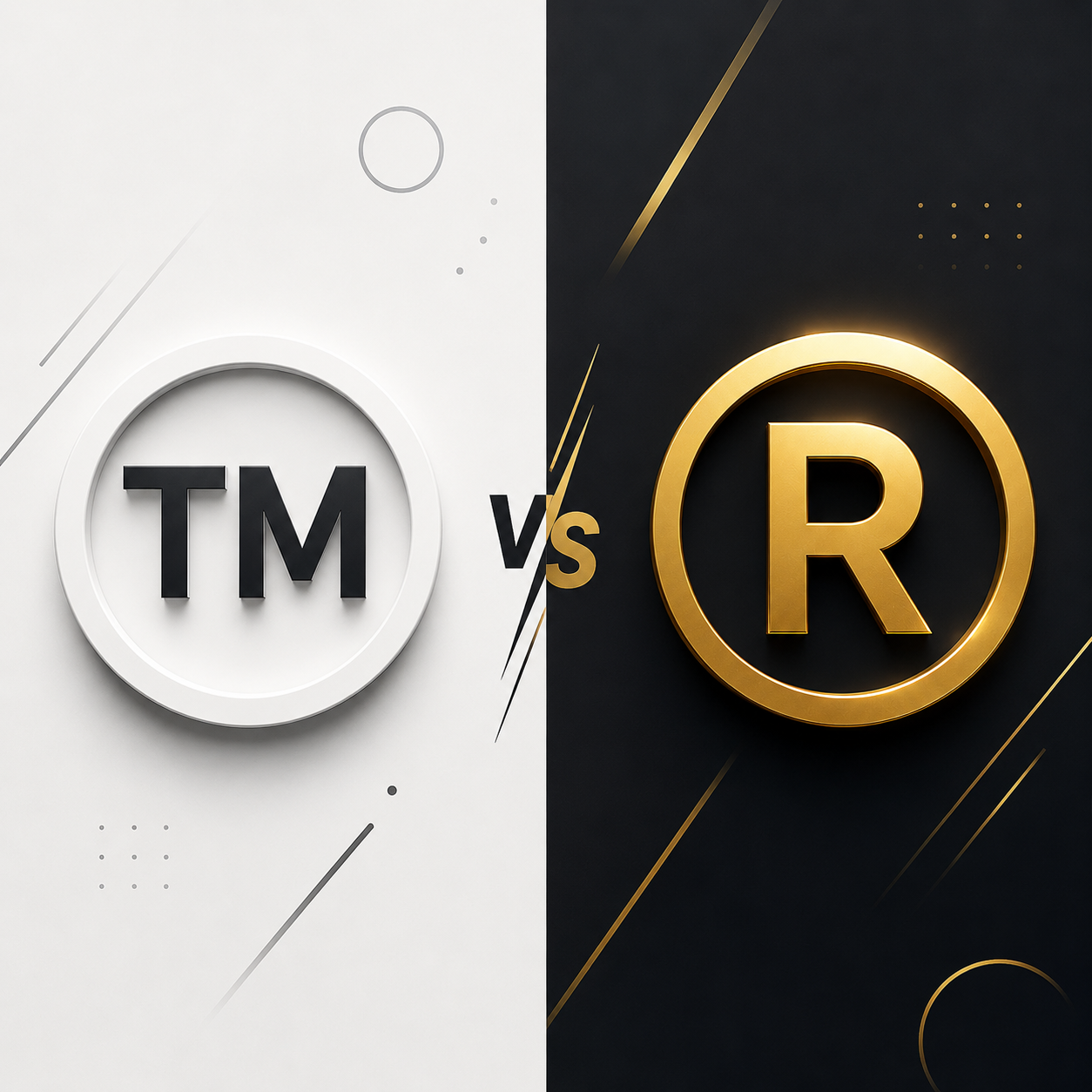
The TM (™) symbol stands for “Trademark” and shows that a business claims ownership over its brand name, logo, tagline, slogan, or product identity, even if it is not officially registered yet. It is commonly used before or during the trademark registration process to inform the public that the brand belongs to a particular business.
Using the TM symbol helps businesses:
- Build brand identity
- Show ownership publicly
- Create customer recognition
- Warn others against copying the brand
The TM symbol can be used by startups, small businesses, online sellers, and even personal brands without waiting for registration approval. Example- If a startup launches a clothing brand named Urban Style, it can use Urban Style™ even before getting trademark registration approval.
WHAT DOES ® MEAN ?
The ® symbol stands for “Registered Trademark” and shows that a trademark is officially registered and legally protected under the Trade Marks Act, 1999. It can only be used after the Trademark Registry grants registration approval.
Using the ® symbol gives businesses:
- Exclusive legal rights over the trademark
- Strong legal protection against copying
- Right to take legal action for infringement
- Greater customer trust and brand credibility
The ® symbol also shows that the brand is officially recognized and protected by law, making it more valuable and trustworthy in the market. Example: After successful trademark registration, a business can legally use Urban Style® to show that its brand is officially protected.
WHY TRADEMARK SYMBOLS MATTER FOR BUSINESSES
Trademark symbols are more than just small letters beside a brand name or logo. They help businesses create a unique identity in the market and make it easier for customers to recognize their products or services. A strong trademark helps a business stand out from competitors and creates a professional image. Trademark symbols also help build customer trust and brand reputation. When customers see a protected brand name or logo, they often associate it with quality, reliability, and authenticity. This increases customer confidence and helps businesses build long-term loyalty. Another important benefit of trademark symbols is brand protection. They help prevent copying, misuse, and unauthorized use of a business’s name, logo, slogan, or packaging. Trademark protection gives businesses stronger control over their brand identity and helps reduce the risk of market confusion. Today, trademarks are valuable business assets for startups, online businesses, e-commerce sellers, influencers, and large companies alike. A protected trademark increases brand value, supports business growth, and allows companies to expand confidently in both online and offline markets.
LEGAL PROTECTION UNDER INDIAN TRADEMARK LAW
The TM (™) symbol mainly acts as a public notice that a business claims ownership over a brand name, logo, or slogan based on its usage. Although it does not provide full statutory protection, it still helps businesses establish brand identity and ownership claims in the market. The ® symbol, on the other hand, provides much stronger legal protection because the trademark is officially registered under the Trade Marks Act, 1999. A registered trademark owner gets exclusive legal rights over the brand and can take strict legal action against unauthorized use or copying. If someone misuses a registered trademark, the owner can file infringement cases, seek compensation, and legally stop others from using the brand without permission. This strong legal backing is one of the biggest differences between TM and ® symbols in India.
TM™ VS ®: DETAILED DIFFERENCE
| Basis | ™ (Trademark) | ® (Registered Trademark) |
| Trademark Status | ™ indicates that a mark is being claimed as a trademark, whether registered or not. | ® indicates that the trademark has been officially registered with the trademark authority. |
| Registration Requirement | Registration is not required to use the ™ symbol. | Registration is mandatory before using the ® symbol. |
| Legal Protection | ™ provides limited protection based on prior use and common law rights. | ® provides stronger statutory protection under trademark law. |
| Rights of Owner | The owner can claim rights over the mark and establish goodwill through its use. | The owner enjoys exclusive legal rights and can take action against infringement. |
| Usage | ™ can be used before, during, or even without the registration process. | ® can only be used after the trademark is successfully registered. |
DID YOU KNOW?
- You can start using the ™ symbol even before your trademark gets registered.
- The ® symbol can only be used after official trademark registration approval.
- Wrongfully using the ® symbol without registration may lead to legal penalties under Indian trademark law.
- Using the correct trademark symbol helps businesses build trust, protect brand identity, and avoid legal complications.
CASE LAWS
Cadila Health Care Ltd. v. Cadila Pharmaceuticals Ltd (2001)
Two medicine names, “Falcigo” and “Falcitab,” sounded similar and could confuse consumers. The court held that similar trademarks in medicines can create serious risks for public health. This case highlighted the importance of choosing unique and non-confusing trademarks.
Yahoo! Inc. v. Akash Arora (1999)
A website using a name similar to Yahoo was created to mislead internet users. The court protected Yahoo’s trademark rights and restrained misuse of the similar domain name. This case established that trademark protection also applies to online businesses and websites.
N.R. Dongre v. Whirlpool Corporation (1996)
Whirlpool’s brand reputation was protected in India even before extensive business operations began in the country. The court recognized the international reputation and goodwill of the brand. This case established the concept of trans-border trademark reputation in India.
CONCLUSION
TM™ offers limited protection by showing that a business claims ownership of a brand, while ® provides strong legal protection as a registered trademark. A registered trademark owner can prevent unauthorized use, file infringement suits, seek compensation, and legally enforce exclusive rights over the brand under Indian trademark law. Need help with trademark registration? CorpBuddy Raipur, Chhattisgarh simplifies the entire process, from trademark search and filing to registration and brand protection.
TOP 5 FAQS ABOUT TM™ AND ®
1. Can I use the TM (™) symbol without registration?
Yes. The TM symbol can be used before or during the trademark registration process to show ownership of a brand.
2. Can I use the ® symbol after filing a trademark application?
No. The ® symbol can only be used after the trademark is officially registered by the Trademark Registry.
3. What is the main difference between TM™ and ®?
TM indicates a claimed trademark, while ® indicates a legally registered trademark with stronger legal protection.
4. What happens if someone copies my registered trademark?
The trademark owner can take legal action, stop unauthorized use, and seek compensation for infringement.
5. Is trademark registration important for startups and small businesses?
Yes. Trademark registration helps protect brand identity, build customer trust, and prevent others from copying your business name or logo.
By entering the email address you agree to our Privacy Policy.